Feb 16 (News On Japan) - Strength rules the image of old-school games across Pakistan. Yet quiet smarts move just beneath that tough front.
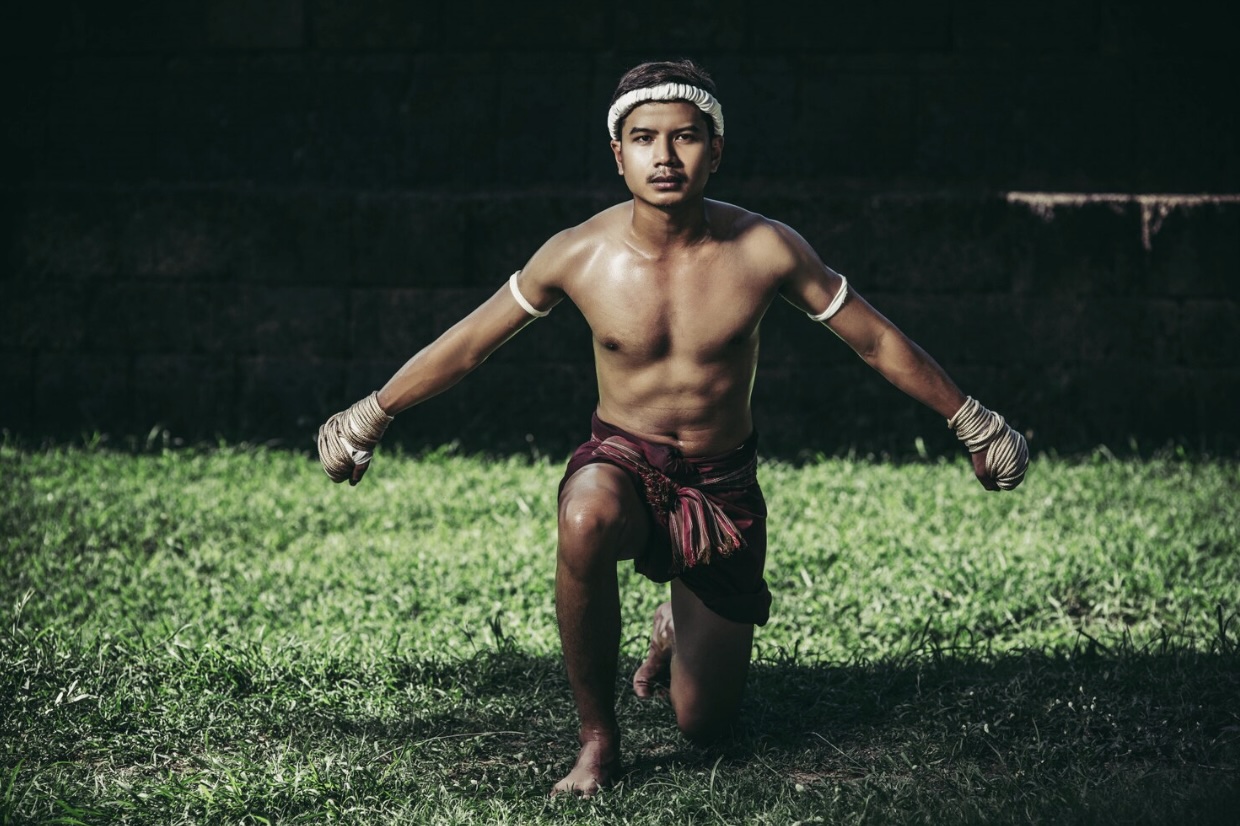
Every match flows less from force, more from split-second choices. Victory leans on foresight, not muscle alone. Thinking ahead shapes outcomes as much as speed or size ever could.
Out here, games grew up in neighborhoods where money ran thin, yet cleverness had to stretch further. Players picked up how to study rivals, handle room on the field, and guess next moves - without thinking. Smarts in play shifted from something shown to something needed just to stay in it.
When more people start talking about sports in a detailed way, they often look closely at how players perform over time. Instead of just guessing, fans turn to ideas from online casino odds to explore when risks pay off. These connections show moments where betting systems feel similar to choices made during actual games. Curiosity drives these thoughts, even if the two worlds are not truly alike.
Kabaddi and Kushti as Strategic Contests
Not just brute strength defines kabaddi or kushti. Behind each move hides a quiet calculation - timing matters more than force. Space shifts fast; those who sense it gain ground. Acting without thought often ends in loss.
Breath held tight, raiders weigh moves against seconds ticking down. Teammates shift in sync, setting traps before the opponent slips free. Out along the sidelines, fans flip open stats from MelBet PK, spotting patterns where kabaddi tactics echo across today’s game analyses. Patience tends to decide fights more than force ever does.
Strategy matters just as much in Kushti, the old form of wrestling. Balance gets studied closely by those who practice it. Grip techniques play a big role during bouts. So do patterns in how rivals move.
Classic Board and Outdoor Games
Out in the fields or on handmade boards, mind-based games show up across Pakistan beyond just physical matches. Some resemble chess but carry their own rules, shaped by years of quiet thinking under sunlit trees. Strategy matters more than speed in these versions, where players adjust moves as winds shift nearby. Team play sometimes enters the picture, linking decisions to group rhythm instead of solo effort.
Thinking multiple turns forward helps when surprises happen. Because of this, recall skills grow stronger over time. Moves made too fast usually lose to those who wait. Spotting patterns in chaos becomes easier with practice.
- Anticipation of opponent moves: Reading intent before action
- Controlled pacing: Managing tempo to force mistakes
- Resource awareness: Using limited space or turns efficiently
- Psychological pressure: Influencing decisions through patience
These elements elevate gameplay beyond simple competition.
Field Sports with Positional Awareness
Out in the open, village games shape how people move together. With timing that shifts on its own, each step fits around another. One person holds space while someone else slips through. Instead of set moves, choices ripple forward as the game breathes. Positioning matters more when nobody stands still.

Midway through the play, the captains shift positions depending on how the rivals act. Watching matters closely - so does talking clearly between teammates. Winning hardly ever comes from power by itself if players move separately. Victory leans more on timing than force.
| Sport Type | Tactical Focus | Key Skill Required |
|---|---|---|
| Kabaddi | Space control and timing | Decision speed |
| Kushti | Balance and anticipation | Patience |
| Field team games | Positioning and teamwork | Communication |
What changes is the way plans shift between forms. How one approach works here might fail there - format shapes response. A method fits square pegs until it does not. Each setup bends tactics differently.
Cultural Transmission of Strategy
Out here, knowing when to move comes from watching those who’ve played before. Lessons unfold in real time, shown more than explained. A kid picks up timing just by seeing what happens after a quick pass or sudden stop.
Funny how it sticks - just playing, yet moves start feeling right. Without labeling each piece of knowledge, choices get sharper. Eventually, decisions flow before thought catches up.
Patience isn’t seen as hesitation here - it’s taken as strength. What looks like stillness might actually be deep awareness at work.
A Legacy Shaped by Quiet Rivalries
Out here in Pakistan, old-style games stick around not just for fun but because they sharpen how you think ahead. Pressure changes people, yet these matches help keep reactions steady when things heat up. Success once meant more than muscle - it required smart moves passed down through time. Even today, staying sharp matters most, even if the world rushes toward flashier contests. Lasting skill shows up where patience meets planning, not just force.