News On Japan

Is Asia Facing a New Currency Crisis?

TOKYO - The battle over the Strait of Hormuz is triggering a new economic shock across Asia, with rising oil prices and a flight to safe-haven assets such as the US dollar and gold weakening currencies throughout the region.

The Indian rupee and Philippine peso have fallen to record lows.

Indonesia's rupiah is now weaker than it was at the depths of the Asian financial crisis.

From Japan to South Korea, central banks have burned billions of dollars trying to slow the slide.

For economies that rely heavily on imported energy, a weaker currency means higher costs, from fuel to food.

Source: Al Jazeera English

News On Japan
POPULAR NEWS

Typhoon No. 7 continues to disrupt travel across Japan on June 27, with Japan Airlines warning that flights to and from Haneda, Narita and Nanki-Shirahama could be delayed or canceled, ANA canceling all flights to and from Hachijojima Airport, and JR East saying some Narita Line trains between Chiba and Narita Airport Terminal 1 were out of service because of the storm.

According to updates on the morning of June 27, two typhoons moving along Japan’s Pacific side are bringing a rare double threat to eastern Japan, with Typhoon No. 8 having passed close to Kanto during the morning and Typhoon No. 7 expected to follow later in the day, raising the risk of repeated heavy rain, landslides, flooding and river overflows from Tokai to the Tokyo region.

Japan advanced to the knockout stage of the World Cup after a 1-1 draw with Sweden on June 25, finishing second in Group F and setting up a Round of 32 clash with Brazil in Houston.

A powerful earthquake with a maximum seismic intensity of upper 6 struck off Iwate Prefecture at around 7:30 a.m. on June 25, shaking parts of Aomori Prefecture and leaving Hachinohe, which was hit by a similarly strong quake last December, facing fresh damage.

A powerful earthquake registering a maximum intensity of 6 upper on Japan’s seismic scale struck Aomori Prefecture at around 7:30 a.m. today. According to the Japan Meteorological Agency, the epicenter was off the coast of Iwate Prefecture, with a depth of about 50 kilometers. The earthquake’s magnitude was estimated at 6.9.

MEDIA CHANNELS
         

MORE Oil Crisis NEWS

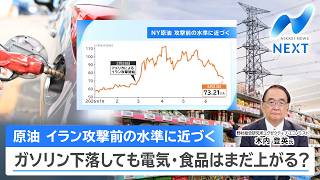
Crude oil prices have plunged to the low $70 range per barrel following the signing of a memorandum aimed at ending fighting between the United States and Iran, but while the immediate risk of an energy crisis appears to have eased, economists warn that price increases for electricity, food and everyday goods may still be about to intensify.

Japan will begin a new system on June 23 to sell paint and thinner directly from manufacturers to construction firms and other businesses, aiming to ease supply bottlenecks and curb price increases as worsening conditions in the Middle East make such materials harder to obtain.

Japan's reliance on Middle Eastern crude oil has left manufacturers exposed to rising costs for plastic containers, ink and other products that use naphtha, but JEPLAN President Masaki Takao is pushing a recycling technology that could reduce the need for petroleum-derived raw materials by turning used plastic back into material close to new.

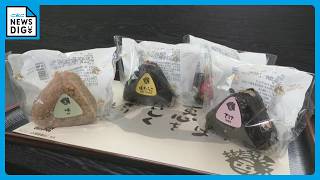
A rice ball chain based in Yokkaichi, Mie Prefecture, is feeling the effects of turmoil in the Middle East through higher costs and supply shortages for packaging film and other materials essential to selling onigiri.

The global oil market could face a major supply surplus in 2027 if the United States and Iran maintain an agreement aimed at ending hostilities, the International Energy Agency said in its monthly report released on June 17.

Calbee's potato chips in black-and-white packaging appeared on convenience store shelves in Tokyo on June 17, reflecting the company's response to concerns over the stability of printing ink supplies derived from naphtha as tensions in the Middle East disrupted procurement.

Japan's trade balance fell into the red for the first time in four months in May, as soaring crude oil procurement costs linked to tensions in the Middle East pushed import prices to record levels despite a sharp decline in import volumes.

A Japanese-linked vessel anchored in the Persian Gulf sustained damage to part of its hull, but remained capable of sailing under its own power and no crew members were injured, Land, Infrastructure, Transport and Tourism Minister Kaneko said.