News On Japan

What's Next for Japan Stocls After AI High

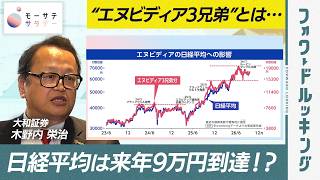
TOKYO - The Nikkei Average has surged past 50,000, yet many individual investors say their portfolios have barely moved, underscoring how narrowly led the rally has become as the NT ratio—Nikkei divided by TOPIX—climbs to a record, reflecting outsized strength in a handful of high-priced technology names while a broad swath of stocks lags behind, and even within the Nikkei 225 the gap between the strongest and weakest deciles over the past six months has widened to extreme levels, pushing the headline index higher while leaving many constituents flat.

This divergence has sharpened since late September into October as domestic “high tech” shares tracked U.S. momentum, aided by index mechanics that give greater weight to high-price names in the price-weighted Nikkei; by contrast, defensives and domestics tied to internal demand have mostly underperformed, with notable exceptions among large retailers.

Amid this backdrop, department store shares have retreated sharply since reports that Japan will raise visa processing fees toward Western levels, a move that sparked concerns about inbound tourism; however, the sell-off appears mismatched to fundamentals because high-spending visitors who drive luxury purchases are unlikely to cancel trips over modest fee increases, while budget travelers—who may feel the pinch—contribute less to big-ticket department store sales.

Two additional supports argue against a deep, lasting hit to the sector: first, the weak yen continues to enhance Japan’s price appeal for overseas shoppers; second, luxury demand in Asia shows signs of stabilizing, with major European houses citing improving trends in China and the wider region—an encouraging read-through for Japan’s urban flagships that rely on premium cosmetics, leather goods, watches and jewelry.

Taken together, the recent drop in department store stocks looks more like profit-taking catalyzed by a convenient headline than a shift in structural demand; while market leadership remains concentrated in technology, any normalization of breadth—along with sustained inbound flows—could see investors revisit department stores as a lagging reopening-plus-luxury beneficiary.

News On Japan
POPULAR NEWS

A fire broke out at Arima Inari Shrine near the Arima Onsen hot spring resort area in Kobe on the night of June 9th, destroying multiple buildings and leaving an elderly Shinto priest and his wife with minor injuries.

Japan, which records the shortest average sleep duration among OECD countries, is launching new efforts to tackle widespread sleep deprivation, including the opening of specialized sleep disorder departments and programs aimed at improving children's sleep habits through sports and physical activity.

Japan's national soccer team arrived in Nashville, Tennessee, on June 8th from Monterrey, Mexico, where it had been conducting a pre-World Cup training camp, and held its first practice session at its base camp for the FIFA World Cup in North America.

A prolonged eruption at Sakurajima on June 7th blanketed parts of Kagoshima City in volcanic ash, turning roads gray and prompting long lines of vehicles seeking car washes after a plume of smoke rose 1,300 meters above the crater.

A powerful earthquake struck off Mindanao Island in the southern Philippines at 8:38 a.m. (Japan time) on June 8th, generating tsunami waves across parts of the Pacific, causing building collapses and casualties near the epicenter, and prompting the Japan Meteorological Agency to issue tsunami advisories along a wide stretch of Japan's Pacific coastline before lifting all of them at 4:50 p.m.

MEDIA CHANNELS
         

MORE Business NEWS

The Bank of Japan is increasingly expected to raise its policy interest rate to 1.0% at next week's monetary policy meeting, responding to growing concerns that inflation could rise faster than previously anticipated due to soaring oil prices and other cost pressures.

The number of restaurant bankruptcies in Japan reached a record high for the January–May period, highlighting mounting pressures from rising costs, labor shortages, and increasingly cautious consumer spending.

Casio Computer, the company behind some of Japan’s most iconic consumer electronics including calculators, digital cameras, electronic musical instruments, and the G-SHOCK watch, is pursuing a new strategy aimed at reviving its tradition of product innovation.

Nippon Steel plans to invest up to $2.5 billion, or approximately 400 billion yen, over the next three years in the Mon Valley Works steel complex in Pennsylvania, one of the key facilities operated by U.S. Steel, the American steelmaker it acquired in 2025.

Japan's economy grew at an annualized rate of 1.8% in the January–March quarter of 2026, according to revised gross domestic product (GDP) data released by the Cabinet Office, with the figure marked down from the preliminary estimate due largely to weaker-than-expected capital investment.

Japanese stocks suffered a sharp sell-off on June 8th as weakness in U.S. technology shares and growing concerns over higher global interest rates triggered widespread selling, sending the Nikkei Stock Average down 2,563.52 points, or about 3.8%, to close at 64,024.60.

Japan's current account surplus expanded 64.9% from a year earlier to 3.9078 trillion yen in April, marking the 15th consecutive month of positive balance, according to balance of payments data released by the Finance Ministry on June 8th.

Rapid inflation and the weakening yen continue to squeeze household budgets across Japan, prompting renewed debate over the country's economic policies. Former Bank of Japan Governor Haruhiko Kuroda, who spearheaded the central bank's aggressive monetary easing campaign under Abenomics, argues that the overall economy remains on a positive trajectory and that wage growth is now exceeding inflation.