TOKYO - The University of Tokyo is considering raising its tuition fees, citing the need to address various challenges such as improving the educational and research environment, aging facilities, and rising prices and personnel costs. However, this move has sparked opposition, with critics arguing that it could exclude financially disadvantaged students.
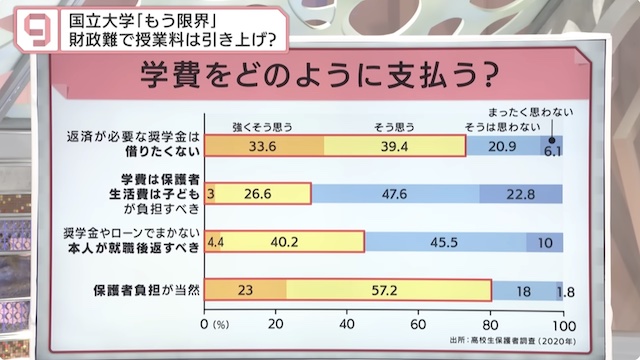
The National University Association has also highlighted the severe financial difficulties faced by national universities, stating, 'We are at our limit.' How should society bear the costs of higher education? Experts weigh in on the issue.
The University of Tokyo plans to raise tuition from approximately 530,000 yen to 640,000 yen. Measures such as tuition waivers for students from low-income households are also being considered.
Kobayashi commented on the tuition increase, stating, 'As explained, the operating subsidies for national universities have been decreasing year by year, and all national universities are already at their limit. While we understand the desire to raise tuition, the fundamental role of national universities is to provide educational opportunities to the public, so we have been enduring this situation.'
Kobayashi also emphasized the importance of using the increased tuition fees solely for student education and providing scholarships. He believes that universities need to thoroughly explain the allocation of these funds to students and society.
Matsubara agreed, noting, 'Given the rising costs of goods and labor, it is inevitable for universities to increase tuition to maintain their operations independently.' He added that other universities, such as Hiroshima University and Kumamoto University, are also considering similar tuition hikes, suggesting a potential widespread impact.
Kobayashi pointed out that while some national universities in urban areas have already increased tuition fees, others in rural areas might choose not to raise fees to protect educational opportunities. This could lead to a divergence in the approach taken by different national universities.
There is a concern that increasing tuition fees could deter students from pursuing higher education, particularly those from financially disadvantaged backgrounds. Therefore, combining tuition waivers and scholarships is crucial.
Matsubara highlighted that many young people are burdened with student loans, affecting their ability to marry and have children. He believes that increased support from the government and the private sector is necessary to alleviate these burdens.
Otsuka added that while universities play a significant role in developing skilled individuals who support various regions, this contribution is not widely recognized. He stressed the need for universities to actively communicate their societal contributions.
The discussion on who should bear the cost of education remains complex. Kobayashi noted that Japan's public expenditure on education is the lowest among OECD countries, a situation exacerbated by long-term financial constraints. He argued for a more significant public investment in education to ensure broader access and support for students.
Matsubara suggested that a combination of public and private funding is necessary to support higher education effectively. He pointed out that in other countries, such as the United States, universities often rely on substantial endowments and private donations to fund their operations.
The University of Tokyo's potential tuition hike reflects a broader issue of how to sustain the quality of education amid financial challenges. Without increased public support, universities may have to rely more on tuition fees, which could place a greater burden on students and their families.
Source: テレ東BIZ