



Suntory Holdings is turning to a specialized corporate intelligence unit led by a former Mitsubishi Corporation researcher to assess the duration of Iran’s effective blockade of the Strait of Hormuz and protect supply chains threatened by soaring energy and raw-material prices.

Japan is unlikely to end its heavy reliance on Middle East crude oil, even as geopolitical tensions expose the risks of depending on the region for more than 90% of its imports, leaving the country to pursue a gradual mix of diversification, electrification, renewable energy and technological innovation.

Dental clinics are facing higher costs for gloves, masks and other supplies made from naphtha-derived materials, even as shortages ease following renewed conflict in the Middle East that has disrupted naphtha supplies.

Marutake Tosou, a painting company founded about 50 years ago in Nagoya’s Nishi Ward, handles exterior walls and other building projects. Its workshop is lined with cans of thinner, an essential material used for sanding products and diluting paint, but at the end of April the company was struggling to secure supplies.
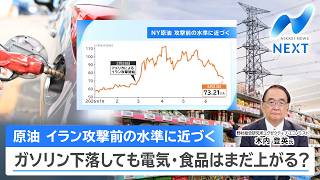
Crude oil prices have plunged to the low $70 range per barrel following the signing of a memorandum aimed at ending fighting between the United States and Iran, but while the immediate risk of an energy crisis appears to have eased, economists warn that price increases for electricity, food and everyday goods may still be about to intensify.

Japan will begin a new system on June 23 to sell paint and thinner directly from manufacturers to construction firms and other businesses, aiming to ease supply bottlenecks and curb price increases as worsening conditions in the Middle East make such materials harder to obtain.

Japan's reliance on Middle Eastern crude oil has left manufacturers exposed to rising costs for plastic containers, ink and other products that use naphtha, but JEPLAN President Masaki Takao is pushing a recycling technology that could reduce the need for petroleum-derived raw materials by turning used plastic back into material close to new.

Calbee's potato chips in black-and-white packaging appeared on convenience store shelves in Tokyo on June 17, reflecting the company's response to concerns over the stability of printing ink supplies derived from naphtha as tensions in the Middle East disrupted procurement.

A suspect has surrendered to police in connection with the theft of about 800 agricultural containers in Gyokuto, Kumamoto Prefecture, a case that caused losses estimated at around 1 million yen and left the victimized company struggling to replace the stolen equipment.

Japan's trade balance fell into the red for the first time in four months in May, as soaring crude oil procurement costs linked to tensions in the Middle East pushed import prices to record levels despite a sharp decline in import volumes.

A shortage of naphtha-derived products is beginning to affect some of the best-known local products in Shizuoka Prefecture, threatening everything from peaches to tofu as producers struggle with rising costs and uncertain supplies.

Japan's corporate goods prices rose 6.3% in May from a year earlier, marking the fastest pace of increase in more than three years as higher oil and petrochemical costs linked to tensions in the Middle East pushed up wholesale prices.

Japan's naphtha shock may be entering a new phase, with signs that product shortages are gradually easing in some industries while concerns grow that higher transportation costs could drive up prices across the supply chain.

TOTO, the Kitakyushu-based housing equipment manufacturer, resumed full orders for unit baths and related products on June 9th after securing a stable outlook for raw material supplies that had been disrupted by the closure of the Strait of Hormuz and the resulting global shortage of naphtha.

A worsening naphtha shortage linked to tensions in the Middle East is beginning to affect everyday retailers in Japan, with some businesses replacing plastic packaging with newspaper and asking customers to bring their own containers and bags.

Japan's chemical industry is facing growing pressure from rising raw material costs and supply concerns linked to tensions in the Middle East, although expectations for industry restructuring and expanding demand for semiconductor materials are providing reasons for optimism.

Japan's agricultural sector, which supports the nation's food supply, is beginning to feel the impact of the Middle East crisis, as soaring fuel and fertilizer costs and growing shortages of essential farming materials raise fears that more producers may abandon the industry.

Former Mie Governor and Liberal Democratic Party Policy Research Council Special Adviser Eikei Suzuki has called for a stronger government role in Japan's energy policy, arguing that the country's heavy dependence on Middle Eastern oil is the result of decades of market-driven procurement and that rising energy prices now pose a greater threat than supply shortages.

Japan is grappling with worsening shortages of naphtha-derived materials three months after the closure of the Strait of Hormuz, with Prime Minister Sanae Takaichi arguing that the country's problem is not a lack of supply but a breakdown in distribution, while opposition parties are urging the government to intervene against suspected hoarding and speculative stockpiling.

Mr. Akazawa Ryosei, Minister of Economy, Trade and Industry (METI), said after a Cabinet meeting on June 2nd that Japan expects to secure the crude oil it needs in June through alternative procurement and previously approved reserve releases, without deciding on a third round of state oil reserve releases in May, while also stressing that naphtha supply is expected to remain at levels close to a normal year.

Food price increases in Japan are accelerating, with the number of products subject to higher prices this year potentially reaching 20,000 items as rising costs linked to tensions in the Middle East spread through supply chains and place additional pressure on household budgets.

A black-and-white version of Calbee's popular Kappa Ebisen snack has appeared on supermarket shelves in Tokyo as concerns over the supply of printing materials linked to Middle East tensions ripple through Japan's food industry, while more than 1,000 food products are set to become more expensive in June.

Shortages of thinners, paints, adhesive tapes and other petroleum-derived products are continuing to spread across Japan, raising questions about whether supply disruptions can still be explained solely by distribution bottlenecks.
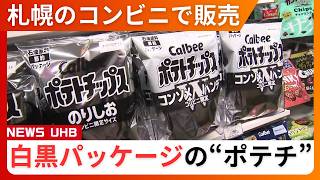
More than 1,000 food products and other consumer goods will see price increases from June, with the effects of instability in the Middle East now reaching supermarket shelves in unexpected ways, including the appearance of black-and-white potato chip packages.
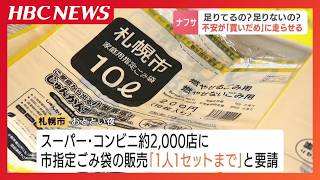
Concerns over instability in the Middle East show little sign of easing, and the effects are increasingly being felt in everyday life across Japan. Supply chain disruptions linked to petroleum-based materials are now affecting everything from household goods to public infrastructure projects.